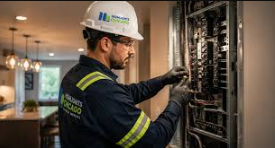
How Chicago Homeowners Can Improve Electrical Safety When Installing Backup Power Systems

Reliable electricity is essential for maintaining comfort, safety, and convenience in residential properties. Power outages can interrupt heating systems, refrigerators, communication devices, lighting, and other important household equipment. In cities like Chicago, severe weather, strong winds, and winter storms can occasionally affect utility infrastructure and disrupt electricity supplies.
Installing a backup power system can help homeowners maintain access to selected electrical equipment during unexpected outages. However, proper installation requires careful evaluation of existing electrical infrastructure, equipment compatibility, and household electricity requirements.
Understanding Residential Backup Power Systems
Backup power systems provide an alternative source of electricity when the normal utility supply becomes unavailable.
Different technologies can support residential electricity requirements, depending on their capacity, configuration, and intended application.
Portable Generators
Portable generators can supply electricity to selected appliances during an outage.
These devices are commonly powered by gasoline, propane, or other fuels.
They must be operated outdoors, well away from doors, windows, vents, and other openings where dangerous exhaust gases could enter the home.
Standby Generators
Standby generators are permanently installed systems designed to supply electricity during utility interruptions.
Certain installations include automatic transfer equipment that detects an outage and changes the electrical supply source.
Battery Backup Systems
Residential battery systems store electrical energy for later use.
Depending on their design, they may supply selected household circuits during interruptions.
Uninterruptible Power Supplies
Uninterruptible power supplies, commonly known as UPS devices, provide temporary electricity to compatible equipment.
They are frequently used for computers, networking devices, and other electronics that benefit from short-term backup power.
Why Electrical Planning Matters Before Installing Backup Equipment
Backup power equipment must be compatible with a property’s existing electrical infrastructure.
Improper connections can create dangerous electrical conditions and potentially damage connected appliances.
Professional planning provides several benefits:
- Helps determine suitable backup equipment capacity.
- Identifies essential household electrical loads.
- Supports proper circuit protection.
- Reduces risks associated with improper generator connections.
- Helps identify existing electrical equipment limitations.
- Supports compliance with applicable installation requirements.
A qualified electrician can evaluate the property and recommend appropriate backup power arrangements.
Common Causes of Power Outages in Chicago
Electricity interruptions can occur for several reasons, including weather-related events and utility equipment problems.
Winter Storms
Heavy snowfall, ice accumulation, and strong winds can damage overhead power lines or other utility infrastructure.
These conditions may result in temporary electricity interruptions.
Severe Thunderstorms
Lightning, strong winds, and falling trees can affect electrical distribution networks.
Homeowners should avoid approaching fallen power lines or damaged utility equipment.
Equipment Failures
Utility infrastructure can experience mechanical or electrical failures that interrupt the electricity supply.
Planned Utility Maintenance
Electricity providers may occasionally schedule interruptions to perform maintenance or infrastructure improvements.
Local Electrical Faults
Some interruptions originate within a property’s own electrical system rather than the utility network.
Professional troubleshooting helps determine whether the problem involves household wiring, protective devices, or external electricity service.
Understanding Household Backup Power Requirements
Selecting suitable backup equipment requires identifying which appliances and systems need electricity during an outage.
Heating Equipment
Chicago’s cold winters make reliable heating particularly important.
Some heating systems require electricity for fans, controls, pumps, or other components, even when their primary heat source is not electric.
Refrigerators and Freezers
Refrigeration equipment helps preserve food during temporary electricity interruptions.
Its starting and operating electrical requirements should be considered when selecting backup equipment.
Communication Devices
Routers, communication equipment, and charging devices may be important during emergencies.
Medical Equipment
Households that depend on electrically powered medical devices should develop an emergency power plan based on the equipment manufacturer’s guidance and relevant healthcare advice.
Essential Lighting
Backup electricity can support selected lighting circuits during utility outages.
Warning Signs That Existing Electrical Equipment Needs Attention
Before installing backup power equipment, homeowners should evaluate existing electrical problems.
Frequently Tripping Circuit Breakers
Repeated trips may indicate overloaded circuits, damaged wiring, or defective appliances.
Burning Odors
A burning smell near electrical equipment may indicate overheating or damaged connections.
This condition requires urgent professional attention.
Flickering or Dimming Lights
Persistent lighting fluctuations may result from loose connections, voltage variations, or other electrical faults.
Visible Equipment Damage
Rust, corrosion, damaged covers, and discoloration can indicate equipment deterioration.
Unusual Electrical Sounds
Buzzing, popping, or crackling noises may indicate potentially dangerous electrical conditions.
These symptoms should be professionally investigated before adding significant electrical equipment.
When Should Homeowners Consider Electrical Infrastructure Improvements?
Installing backup power equipment does not automatically require replacing existing electrical distribution components.
Some properties can accommodate suitable backup systems through approved transfer equipment and properly designed connections.
However, an electrical panel upgrade Chicago service may be appropriate when existing distribution equipment is significantly deteriorated, unsuitable for the proposed backup arrangement, or unable to accommodate necessary electrical modifications safely.
A licensed electrician can inspect the installation, evaluate equipment compatibility, and recommend appropriate changes.
Professional assessment helps determine whether circuit modifications, equipment replacement, or other improvements are necessary.
The Importance of Proper Transfer Equipment
Transfer equipment plays a critical role in safely connecting certain backup electricity sources to residential electrical systems.
Preventing Dangerous Backfeeding
Improper generator connections can send electricity into utility lines.
This condition can endanger utility workers and other individuals.
Approved transfer equipment or other code-compliant isolation arrangements help prevent dangerous backfeeding.
Separating Power Sources
Properly installed transfer equipment prevents unsuitable connections between backup and utility electricity sources.
Supporting Essential Circuits
Some backup arrangements are designed to supply only selected household circuits.
This approach can help match the backup system’s capacity to essential electrical requirements.
Automatic Power Transfer
Certain standby systems include automatic transfer switches that operate when the utility supply becomes unavailable.
Professional Installation Requirements
Transfer equipment should be selected and installed by qualified electrical professionals according to applicable codes and manufacturer instructions.
How to Choose Suitable Backup Power Equipment
Different backup technologies offer different capabilities and limitations.
Identify Essential Appliances
Homeowners should determine which devices need to remain operational during an outage.
Evaluate Electrical Load Requirements
A qualified electrician can calculate the power needed to operate selected equipment, including applicable starting demands.
Consider Expected Outage Duration
Battery storage capacity and generator fuel availability influence how long backup electricity can be supplied.
Review Installation Conditions
Generator location, ventilation, weather exposure, and available space must be considered.
Evaluate Maintenance Requirements
Backup systems require different maintenance procedures depending on their design and power source.
Essential Generator Safety Practices
Fuel-powered generators require careful operation because improper use can cause carbon monoxide poisoning, fire, or electrical hazards.
Operate Generators Outdoors
Portable fuel-powered generators must never be used inside homes, garages, basements, or enclosed spaces.
Maintain Safe Exhaust Clearance
Generator exhaust should be kept well away from windows, doors, vents, and other openings.
Use Appropriate Electrical Connections
Generators should only be connected to household wiring through approved, professionally installed equipment.
Follow Manufacturer Instructions
Operating procedures, electrical ratings, and maintenance requirements should be followed carefully.
Use Carbon Monoxide Detectors
Working carbon monoxide alarms provide important protection in homes where fuel-burning equipment is used.
How Professional Electricians Support Backup Power Installation
Backup electricity systems require specialized technical knowledge and appropriate installation procedures.
Assessing Existing Electrical Infrastructure
An electrician examines the property’s distribution equipment and identifies potential compatibility concerns.
Calculating Essential Loads
Professional calculations help determine the appropriate backup system capacity.
Selecting Protective Equipment
Circuit breakers, transfer equipment, conductors, and other components must meet applicable electrical requirements.
Completing Safe Installation
Qualified professionals install electrical connections using appropriate safety procedures.
Testing System Operation
After installation, the backup equipment should be tested to verify proper transfer operation and electrical performance.
Maintaining Backup Power Systems for Long-Term Reliability
Backup equipment should receive maintenance according to manufacturer recommendations.
Inspect Equipment Conditions
Visible damage, corrosion, or unusual deterioration should be evaluated promptly.
Maintain Generator Equipment
Fuel-powered generators may require periodic maintenance of engines, batteries, filters, and other components.
Monitor Battery Systems
Battery equipment should be maintained according to its specific operating and safety requirements.
Keep Electrical Equipment Accessible
Distribution enclosures, disconnecting devices, and transfer equipment should remain accessible.
Arrange Professional Testing
Qualified professionals can verify that backup power systems remain suitable for their intended operation.
Long-Term Benefits of Emergency Electrical Planning
Preparing for unexpected electricity interruptions can help households maintain essential functions during emergencies.
Proper backup power planning supports critical appliances, communication equipment, and selected heating or lighting systems.
Professional installation reduces risks associated with unsuitable electrical connections and helps homeowners select equipment appropriate for their needs.
Regular maintenance further improves readiness by identifying potential equipment problems before an emergency occurs.
Conclusion
Backup power systems can provide valuable support for Chicago homeowners during unexpected electricity interruptions. However, their safe operation depends on appropriate equipment selection, professional installation, and proper electrical planning.
Understanding household electricity requirements, recognizing existing electrical problems, and using approved transfer equipment are essential considerations.
With qualified electrical services, suitable backup technology, and preventive maintenance, homeowners can improve their emergency preparedness while maintaining a safer and more dependable residential electrical system.